
-
Acupuncture is based on the belief that all living beings possess vital energy, called “qi” that flows through energetic channels like rivers through the body. In Chinese medicine, the abundant and smooth flow of qi in the body is central to overall health. After thousands of years of empirical research, Chinese medicine doctors have mapped out a network of channels or pathways called meridians through which qi flows in the body between different organ systems. Each major organ system is associated with its own meridian. Through the network of meridians the internal organs are connected to certain areas and parts of the body, including the muscles, bones, joints, sensory and other organs.
This developed from the Daoist belief that every living thing in the natural world is sustained by qi, including humans. They identified the two opposing yet complementary forces of qi that govern all existing things, and called them yin and yang. In Chinese medicine, health is a manifestation of balance of the yin and yang forces both within the human body itself and between the person and the universe. When the body is internally balanced and in harmony with the external environment, qi flows smoothly through the meridians to nourish the organs and tissues. When the qi in one of the meridians becomes obstructed or blocked, whether it is due to illness, physical or emotional trauma, environmental factors or lifestyle choices, the proper flow of energy is disrupted, upsetting the body’s innate balance and giving rise to a disease. Once the balance is restored, health returns.
-
Acupuncture works by restoring the internal yin and yang balance and optimizing the energy flow throughout the body via acupuncture points – distinct sites along the meridian pathways where qi can be accessed most readily. Fine, sterile, and disposable needles are inserted into specific acupuncture points to elicit a therapeutic response designed to adjust the flow of qi in the body, leading it to areas where it is needed and draining it from areas where it is stagnant or in excess. In this way, acupuncture taps into the body’s own energy utilizing its innate healing abilities to restore balance and foster health. This sophisticated yet subtle method of treatment is so effective because acupuncture takes into consideration the person as a whole and aims to not only eliminate the symptoms, but also to treat the root disharmony, thus increasing function and improving vitality of the body, mind and spirit. Aside from addressing the chief complaint, some of the immediate benefits of an acupuncture treatment include a feeling of calm and balance, a deep and restful sleep, more energy, an improved ability to handle stress and a general sense of well-being.
-
The World Health Organization lists over forty conditions, ranging from anxiety to osteoarthritis, for which acupuncture treatment has been shown to be effective. Research at the National Institutes of Health has established the efficacy of acupuncture in treating several problems, including post-operative pain and chemotherapy-induced nausea. As for how acupuncture works, scientists may have identified some, but far from all, of the answers.
To the human body, acupuncture needles are a physical stimulus. In Western science, a stimulus is defined as a detectable change in either the external environment or within the body itself. The body reacts to detecting such a change by producing a response. Although acupuncture is not yet fully understood by Western science, with modern technology scientists can now actually begin to “see” the body’s response to acupuncture. For example, studies using functional MRI (magnetic resonance imaging) clearly show that particular parts of the brain are activated when specific acupuncture points are needled.
Recent research suggests acupuncture works to facilitate the flow of lymph and oxygen-rich blood, remove obstructions in the muscles and nerves, trigger hormonal release and relax the nervous system. Studies show that acupuncture points stimulate the central nervous system to release pain-relieving chemicals into the muscles, spinal cord, and brain. Acupuncture also stimulates the hypothalamus and pituitary glands, which control parts of the nervous and endocrine systems, many of the body’s essential hormones, and functions such as sleep, temperature regulation, and appetite.
Research suggests that acupuncture may also alter brain chemistry by affecting the release of neurotransmitters, biochemical substances that stimulate or inhibit nerve impulses, and neuro-hormones, chemical substances that impact the activity of the body’s organ systems. Two of such chemicals include endorphins and serotonin. Endorphins are the body’s natural form of painkillers that our body releases at times of pain and stress. Serotonin is also known to help with pain relief, but is more specifically known to affect mood, emotions and behavior. This can help explain how acupuncture is used effectively in treating not only physical, but emotional problems such as anxiety and depression.
Acupuncture can be seen as a bridge that is able to affect and integrate different systems of the body, such as the nervous, endocrine, circulatory, reproductive, and digestive systems. Because of these broad effects, acupuncture can create profound changes in the self-regulating and self-healing systems of the body, making this ancient form of medicine a highly effective, natural and drug-free alternative for the treatment of many conditions which do not respond to a conventional medical approach.
-
Today acupuncturists are trained in accredited, 3-4 year, graduate programs and are licensed by most states. Acupuncturists may be certified by the National Commission for the Certification of Acupuncture and Oriental Medicine, (NCCAOM), a national organization established to regulate the practice of acupuncture. After passing national examinations, these acupuncturists are designated as board certified in acupuncture or diplomates of the NCCAOM. (Dipl.Ac.) The NCCAOM maintains a directory of certified practitioners on their web site, www.NCCAOM.org.
Some physicians offer treatment known as medical acupuncture, a kind of mini acupuncture based on a much shorter course of study. While an accredited masters level program in acupuncture includes about 2500 hours or more of study, some of the programs for physicians offer about 200 hours. Acupuncturists who graduate from accredited programs have completed an extensive course of study of Oriental Medicine as well as of Western biomedical approaches to illness. Contemporary acupuncturists are prepared to work with physicians and other health care providers to bring the most effective aspects of Oriental Medicine into the modern medical clinic.
-
Please allow 1.5 hours for your initial appointment.
Follow up treatments last 1 hour.
New patient appointments include an intake covering the patient’s health history with special attention paid to the chief concerns. A personalized acupuncture treatment is created for each patient based on their symptoms and health history. Adjunct techniques like cupping and tui na massage may be included. You are encouraged to come with questions about your condition(s), and information on other treatments you’ve tried or are currently using.
Greg will then assess your pulse, tongue and abdomen as part of the diagnostic process and present you with a treatment plan based on the findings. You and Greg will discuss the various options for treatment and the number and freqiency of follow-up treatments which will be based on the history or severity of your condition.
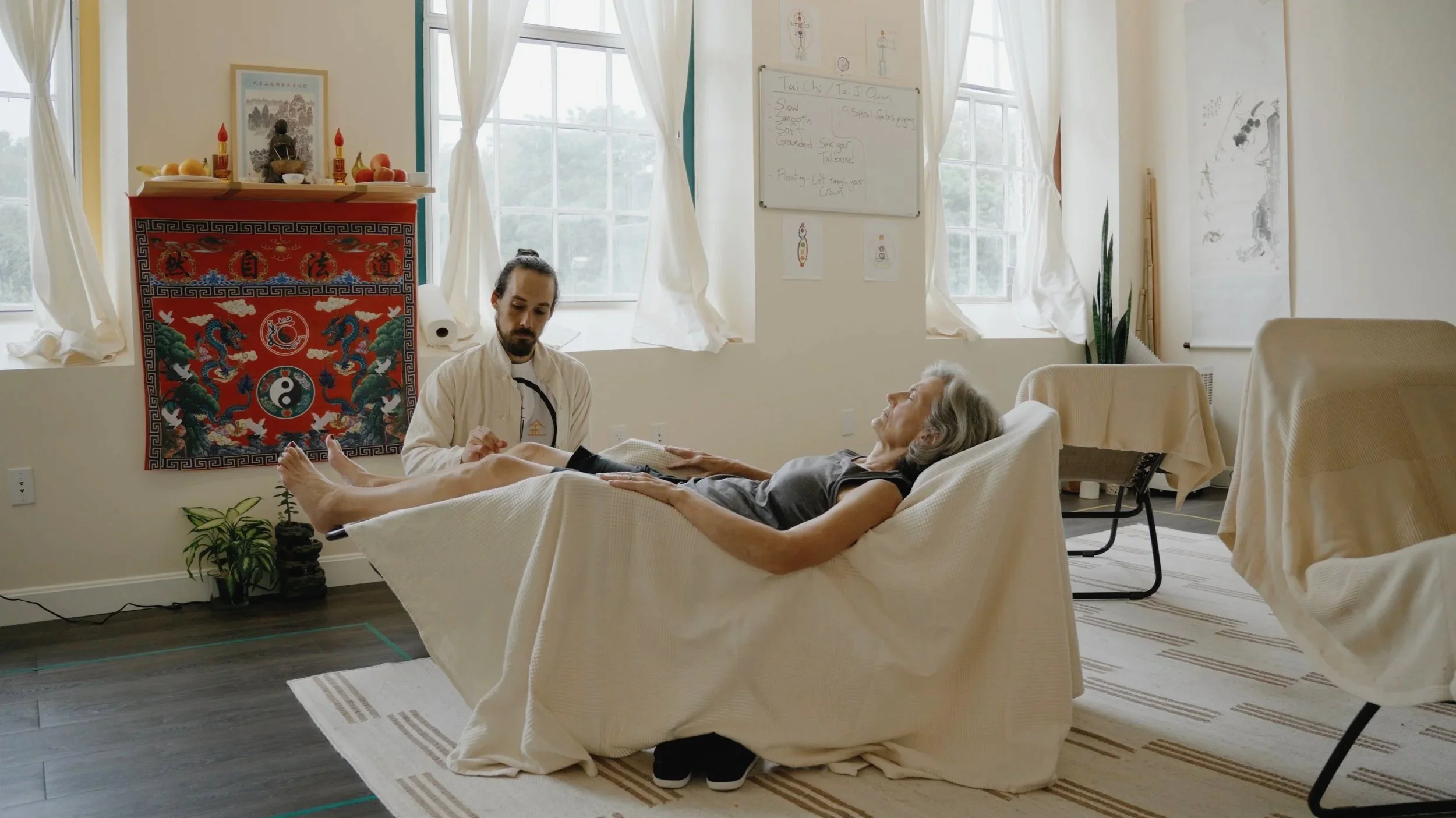
In an acupuncture treatment, sterile, single use disposable needles are placed on strategic points throughout the body to regulate and adjust qi flow through the bodies meridians. As the needles are placed patients often express a numbing, tingling, warming, or radiating sensation. Typically 10-15 needles are used for an adult treatment. Once all needles are in place you will lay comfortably for 20-40 minutes. Many people feel such a deep sense of relaxation that they fall asleep during their treatment. During and/or after the acupuncture therapy, other adjunct techniques may be used as indicated by your condition. These include cupping, moxa (a therapeutic heat), Gua Sha ( myofascial spoon massage), plum blossom, seven star hammer, or lancing.
If desired, the use of herbal therapy, nutritional counseling, and self-care education is assessed with each visit. Greg may prescribe you an herbal formula and provide nutritional, lifestlye or exercise recommendations as deemed appropriate for your condition. It is always your decision what treatment options you would like to pursue.
Learn About
Acupuncture
Acupuncture is perhaps the most well known treatment modality of the holistic system of healing known as Chinese Medicine that originated in China over 3,000 years ago, making it one of the oldest continuously-practiced systems of medicine in the world. The practice of acupuncture has withstood the test of time for one simple reason – it works. Acupuncture is currently used by a quarter of the world’s population, mostly in Asia, and its popularity is growing rapidly in the West as scientific trials prove its efficacy and the benefits of acupuncture become widely recognized and integrated with mainstream healthcare.
Below, we will discuss the understanding and philosophy of the modality, some of the conditions it is known to treat, and some frequently asked questions by patients. If you have additional questions about acupuncture, a particular condition you are looking to address, or what makes acupuncture at Waypoint Sanctuary different from acupuncture you may have received in the past, you can reach out to us at waypointsanctuary@gmail.com.
Conditions Treated
Musculoskeletal
Neck, shoulder or back pain, sciatica, knee pain, arthritis, joint pain, gout, repetitive strain injury, carpal tunnel syndrome, tennis or golfer’s elbow, tendonitis, sprains, strains, muscle spasms, fibromyalgia, plantar fasciitis
Neurological
Headaches, migraines, vertigo, Meniere’s disease, Parkinson’s disease, Bell’s palsy, neuropathy, shingles, post-herpetic neuralgia
Respiratory and Ear/Nose/Throat
Common cold, flu, allergies, frequent colds, sinusitis, rhinitis, asthma, bronchitis, sore throat, laryngitis, tonsillitis, ear Infections, tinnitus
Gastrointestinal
Abdominal pain, indigestion, acid reflux, nausea, vomiting, bloating, gallstones, constipation, diarrhea, gastritis, colitis, irritable bowel, Crohn’s disease, hemorrhoids, weight management
Gynecological
PMS, menstrual disorders including amenorrhea, dysmenorrhea and irregular menses, leukorrhea, fibroids, cysts, endometriosis, menopause symptoms, fibrocystic breasts
Fertility and Pregnancy
Fertility enhancement, complementary care for IVF, IUI & other Western infertility treatments, prevention of miscarriage, morning sickness, breech fetus, labor induction, post-partum recovery, nursing issues, mastitis
Genitourinary
BPH, prostatitis, bladder or urinary tract infections, frequent urination, incontinence, bedwetting, male fertility, sexual dysfunction, impotence, lower libido, testicular pain
Miscellaneous
High/low blood pressure, high cholesterol, anemia, palpitations, fatigue, thyroid conditions, diabetes, Raynaud’s syndrome, hair loss, bedwetting, post-surgery rehabilitation, detoxification, weight management, smoking cessation support
Chinese Medicine is a multifaceted comprehensive system of medicine providing natural, safe and effective treatment for a wide variety of physical and psychological disorders. Chinese Medicine addresses both the symptoms and the underlying roots of health problems, and also works exceptionally well as preventative medicine or as a complement to conventional medical treatment.
Please bear in mind that the following is just a partial list of commonly treated conditions, and is by no means exhaustive or reflective of the full spectrum of Chinese Medicine’s capabilities.
Psycho-Emotional, Cognitive and Behavioral
Anxiety, stress, panic attacks, depression, insomnia, learning disabilities, poor concentration
Oncological Care
Treatment related side effects including nausea, pain, anxiety, neuropathy, fatigue, hot flashes, dry mouth, and overall diminished quality of life
Dermatological
Acne, rosacea, eczema, psoriasis, dermatitis, herpes, rashes, urticaria
If you have a particular health concern not listed here, please contact us to determine if Chinese Medicine could help you.
Frequently Asked Questions
-
Wear loose fitting, comfortable clothing that can be easily rolled up above the elbow or the knee.
Do not come to the treatment on an empty stomach.
Eat a light snack before the treatment.
Do not brush your tongue that morning; we use the tongue coating as a diagnostic tool.
Please inform us if you are taking any blood thinners.
Accepted forms of payment are cash and check.
Please arrive 15 minutes before your 1st appointment to fill out patient paperwork if you haven’t done so already.
-
Spend some time thinking about what you would like to achieve from your acupuncture treatment. What questions or concerns do you have about acupuncture? What are your expectations? The more openly we can communicate, the better I can help you.
Be realistic. If you have several conditions or symptoms you would like to address, rank them in order of importance to you. On your first visit, I will probably focus primarily on your chief complaint and related symptoms. Secondary issues will also be noted and addressed as treatment progresses.
Set aside enough time so that you are not rushing to and from your visit. Physical strain or stress immediately before or after acupuncture can weaken your body and diminish the efficacy of the acupuncture treatment. Please take it into consideration and schedule your activities on the day of your visit accordingly.
Eat a light meal about two hours before a treatment, since hunger increases the risk of nausea or dizziness during the treatment. Acupuncture also cannot be performed on persons who are excessively fatigued, upset, or intoxicated.
-
During your acupuncture visit we will perform a full medical intake and health history as well as a comprehensive Chinese medicine examination of the tongue, pulse and abdomen. This information helps us formulate a customized treatment plan for you. An acupuncture treatment is included in the initial visit; Chinese herbal medicine recommendations and basic eastern nutrition advice may be discussed at this time as well. Other therapies such as moxabustion, gua sha and cupping may be incorporated into the acupuncture treatment if it is deemed necessary for your condition. Please allow 1.5 hours for your first visit and 60 minutes for follow up visits.
-
In general, the needles are retained in the body from 15 – 45 minutes depending on the purpose of the treatment. Sometimes the needles are left in for a shorter period of time and other Chinese medicine techniques like cupping, moxabustion or guasha are used.
-
This question is difficult to answer because the answer varies from patient to patient. Generally, the longer a problem has existed, the longer it will take to re-balance the body and restore health. This timeline also depends on how severe the illness or injury is, how often you will be getting treated and what sort of things you are doing outside of treatment to promote wellness. This will be discussed during the first treatment.
-
Acupuncture needles are extremely thin. Occasionally there may be a fleeting sensation upon needle insertion, but any pain experienced is usually described as less intense than plucking a hair. Once the needle is put in to place, the sensation can feel dull, achy, or heavy. Most people report relaxation or a feeling of gentle movement within the body. It is important to communicate with your acupuncturist regarding any level of discomfort during the treatment so they can modify it accordingly.
-
Modern acupuncture needles are sterile, disposable and about as fine as a strand of hair. The needles are solid, not hollow like the hypodermic needles used for injections, and have a smooth and rounded tip. Acupuncture needles are not designed to cut the skin. Instead, when an acupuncture needle is inserted, the round edge pushes the tissue aside without cutting it.
-
Acupuncture is extremely safe when performed by a qualified licensed practitioner. Needles are pre-sterilized, single use and disposable.
-
Some minor bruising and bleeding can occur on occasion, but it is rare. Fainting can also occur in patients who faint easily, so make sure to eat something before the treatment. If you have a history of fainting please let us know and we will take extra precautions. Other treatment modalities, such as cupping and Gua Sha, can leave marks on the body for a few days, but then disappear.
-
No, but it usually does. About 90% of patients have a positive response to acupuncture. If you do not feel any benefits after your initial course of treatment, an alternate treatment plan may be in order, but in general everyone responds to acupuncture, what makes the difference is the treatments and practitioner.
-
No. Acupuncture works whether or not you think it will. Acupuncture is even used successfully on small children and animals. They do not understand or believe in the process yet they get better anyway. A positive attitude helps with any type of therapy but it is not necessary to believe in acupuncture for it to work.
Since positive expectations and belief in a particular therapy help to increase therapeutic results, I encourage you to raise any concerns or doubts you may have about acupuncture and Traditional Chinese Medicine. I’d like to help you to better understand acupuncture and Traditional Chinese Medicine so that you may have the most positive healing experience possible. You are invited to contact me with any questions, concerns and comments and I will be happy to discuss them with you.
-
Some patients experience dramatic results with just one or two treatments, while others see results build over several treatments. Most people experience better energy levels and a feeling of improved vitality and well-being after the first treatment. In general, some relief should be apparent in two to three treatments. If the problem is acute, sometimes improvement is felt after just 1 treatment, and may only need 3-5 treatments to resolve. If the condition is chronic and long-term it may require six to eight treatments to improve and many more to resolve.
-
The traditional acupuncturist forges an active partnership with the person seeking help. After developing a deep understanding of an individual’s energetic make-up and lifestyle habits, the practitioner works with the patient to design effective strategies to promote wellness. Therefore, the selection of practitioners is critical.
Since a significant part of the alchemy of healing is based in the relationship between practitioner and patient, it is important to speak at least briefly with the acupuncturist before making a decision. Is there a connection? Do you feel understood and accepted?
Finally, what is the practitioner’s level of training? Those who graduate from AACAOM accredited acupuncture programs have completed approximately 3000 hours of combined classroom and clinical study of classical acupuncture.
-
A practitioner determines the imbalances in the body by employing what is known as the four basic examinations. The first is asking questions about one's signs and symptoms while taking into account their personal and family health history. The second is by visually inspecting one’s face, body and tongue, with the emphasis placed on examining the coating, color and any demarcations. The third is by listening to one’s voice and the sound of one’s breathing as well as any odors emanating from their body. The fourth method is by palpation of various parts of the body and also taking pulses on both sides of the wrists. Incorporating all four of these methods, the practitioner can determine the pattern of disharmony and decide on a course of treatment to bring the person back into balance.
-
Acupuncture involves the superficial insertion of needles into designated points on the body. There are more than three hundred of these points, and each of them has a specific effect on the energetic system of the body. By combining these points a trained acupuncturist is able to design a treatment that is tailored to the needs of the individual. In addition to acupuncture, such modalities as moxabustion, cupping, gua-sha or herbal therapy may be employed. A Chinese practitioner may also use Tuina massage and prescribe preventative exercises like Tai Chi or Qi Gong. A strong emphasis is also put on diet and lifestyle.
-
You bet! Traditional Chinese Medicine (TCM) is special in that it easily integrates with all forms of medicine. Many patients frequently integrate other modalities of care including massage therapy, physical therapy, chiropractic, homeopathy, and talk therapy. Our goal is to provide patients with the care and support they need to improve their overall health. We understand that often the best approach is combination therapy.
-
Most insurance plans do not cover acupuncture. However, some policies are beginning to include acupuncture because of its cost effectiveness as a treatment and because consumers have shown a willingness to pay for it out of pocket. At present, I do not accept any insurance plans. However, if your health insurance policy covers acupuncture treatments, I will be happy to provide you with a form that can be submitted to your insurance company for full or partial reimbursement of the cost of your visit, depending on your policy. Please check with your insurance company regarding their acupuncture coverage and reimbursement.